

I've always dreamed of becoming a real estate investor. Owning property, customizing it, and providing stable housing felt exciting, even if I didn't yet identify as an investor. Years later, at 21, I bought my first rental property, eager to learn by doing.
Like many first-time landlords, I quickly realized that while real estate offers tax advantages, financing options, and the potential for passive income, it also comes with challenges — especially when dealing with evictions.
Initially, I spent hours consuming media — books, YouTube videos, and podcasts — about real estate investing. But I rarely found guidance on eviction processes and the lessons they teach. Given its importance to property ownership, I wanted to document my experience navigating the eviction process in Florida, highlighting potential outcomes and pitfalls while maintaining the privacy of all parties involved.
Understanding these scenarios ahead of time is what separates informed investors from unprepared ones — allowing them to operate with greater clarity and confidence.
Before any eviction even begins, your preparation determines the outcome. Here are the foundational steps every landlord should take:
Thorough background checks: Verify tenant history carefully to minimize future issues.
Contract readiness: Ensure leases are notarized, correctly executed, and fully understood by both owner and property manager.
Property manager competence: Confirm your manager has the experience and knowledge to handle potential complications.
Documentation is essential: Maintain maintenance logs, inspection photos, and records of communications to support your process.
By completing these steps upfront, you reduce risks and prepare yourself for smoother management — even if an eviction becomes necessary.
The state of Florida is considered landlord-friendly. This does not mean that the state is unfair, but rather that it is very methodical about its laws — ensuring that, if you own a property, you have near-total control over its use, pricing, and the speed at which someone who isn't following the contract can be removed.
I always recommend that, if you're investing in real estate, you understand the laws and regulations so you abide by all state responsibilities. As a result, the state will support a process that is as landlord-friendly as possible — provided that you follow all of the proper procedures.
This is especially important for multifamily investors: an understanding of this process allows limited partners to have confidence in their investment while remaining hands-off, and allows general partners to have confidence in their ability to oversee management teams during evictions.

Having gone through this process myself, I've learned firsthand what works, what to document, and how to stay organized. Here is a step-by-step breakdown:
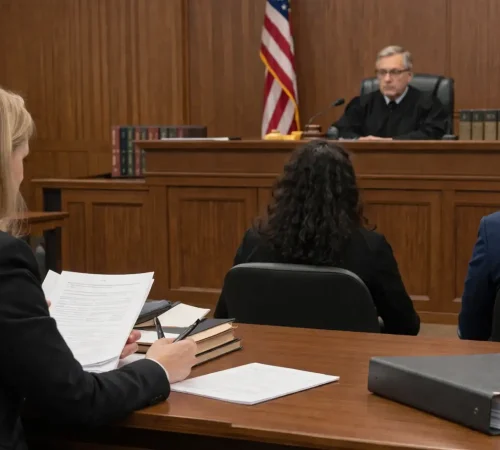
If the tenant disputes the notice and deposits the rent in court, this transforms the process from administrative to judicial — meaning a hearing must be scheduled. When the tenant filed their response, I gathered all supporting records — maintenance logs, payment history, and communications — to build my case.
On the court date, both parties have the opportunity to present their side, either in person or through legal representation. In my case, the tenant did not appear, resulting in a default judgment in my favor and allowing me to proceed with obtaining the Writ of Possession.
However, if the tenant does appear, be prepared for them to dispute claims or raise additional issues. Having thorough, well-organized documentation is critical — it strengthens your credibility and supports your case during the hearing.
If the court rules in favor of the tenant, the eviction process stops immediately. The landlord must fully comply with the ruling — no self-help eviction or interference with the property is allowed, as any violation could result in legal penalties.
Landlord Options After Losing a Case
At this stage, the landlord has a few options:
• If the issue was due to improper notice or procedural errors, these can be corrected and the eviction process restarted in full compliance with Florida law.
• If the tenant raised a substantive defense, it may be necessary to reassess the situation or consult a legal professional before taking further action.
• Some landlords may also pursue a mutual resolution — such as a payment plan or a voluntary move-out agreement — rather than immediately restarting legal proceedings.
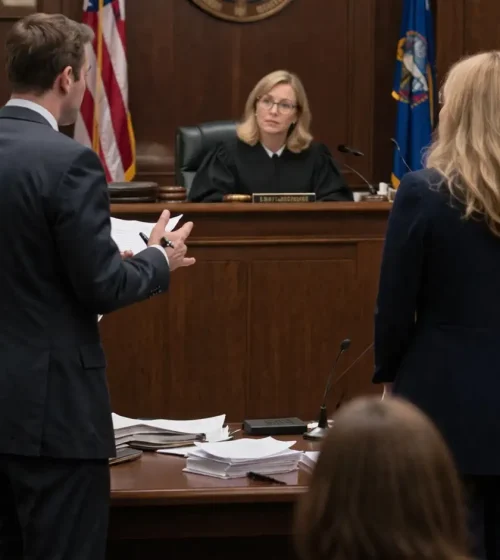
Consult experienced professionals: Attorneys, property managers, or experienced landlords can help you navigate complex situations. If professional guidance isn't immediately available, take initiative — research, ask questions, and learn the process.
Document everything thoroughly: Maintain timestamped photos, maintenance logs, inspection records, payment histories, and all tenant communications. Well-organized documentation reduces complications and strengthens your credibility in court.
Conduct thorough tenant screening: Background checks, credit history, and rental verification are critical to minimize the likelihood of disputes and evictions later.
Ensure lease readiness: All contracts should be notarized, properly executed, and fully understood by both landlord and property manager. Clear agreements prevent misunderstandings.
Assess property manager competence: Verify that your manager has the experience and knowledge to handle potential issues effectively. Mismanagement can complicate the eviction process or prolong disputes.
Understand each stage of the process: Knowing the steps — from serving notices to court filings, hearings, and potential writs — allows you to respond confidently and efficiently.
Stay informed on state laws: Florida is landlord-friendly, but compliance with procedures is essential. Understanding your rights and responsibilities protects your investment.
Prepare mentally for challenges: Evictions can be stressful, even for seasoned investors. Anticipating possible outcomes and planning your response in advance helps you remain calm.
Proactive preparation reduces risk: The more thorough your upfront work — screening tenants, organizing documentation, and confirming operational readiness — the smoother property management will be.

Antonio Velez is a Texas-born, Florida-based real estate entrepreneur and Army veteran. Since starting his investing journey in 2023, he’s built a growing portfolio and assisted in analyzing multifamily opportunities. With a Business Administration degree, Antonio is dedicated to creating wealth, strengthening communities, and fostering successful partnerships.
The following content is provided for educational and informational purposes only. It does not constitute financial, investment, or legal advice. Viewers are encouraged to conduct their own research and consult with a licensed professional before making any decisions. The views and opinions expressed are those of the presenter and do not necessarily reflect the official policy or position of any affiliated organization.